Introduction
Let’s cut to the chase: brand style guides don’t have to break the bank. Whether you’re a startup or a growing business, knowing what you’ll spend—and what you’re getting—lets you plan smarter. In this guide, we’ll cover cost ranges, what’s included, and how to decide between DIY, templates, and full-on brand bible production.
How a Brand Style Guide Is Defined—and Why It Costs What It Does
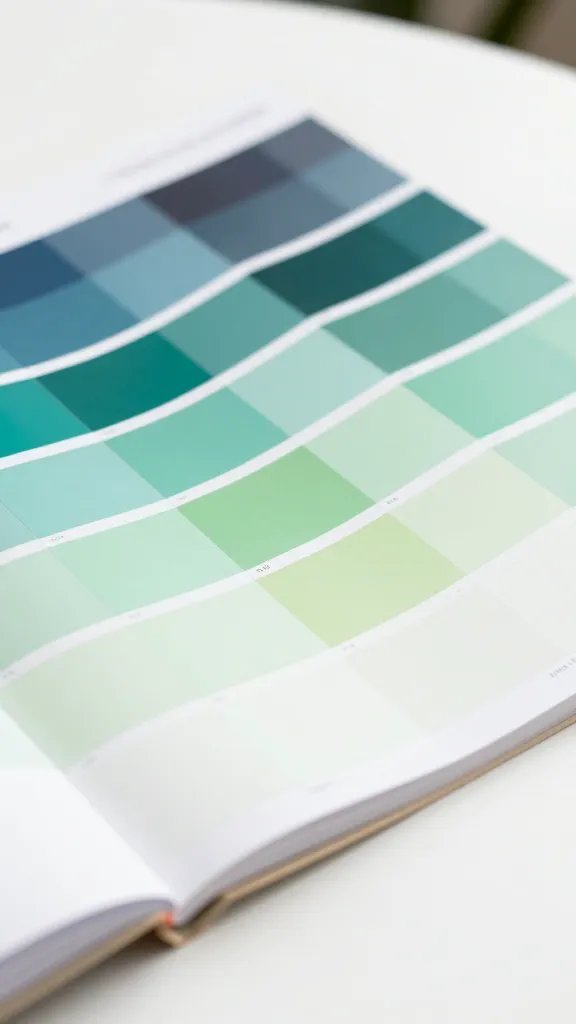
– What a brand style guide even is
– A centralized document (or set of documents) detailing your logo usage, color palette, typography, imagery, voice, and more.
– It’s your brand’s instruction manual for consistency across all channels.
– Core cost drivers
– Scope: basic guidelines vs. comprehensive brand systems
– Talent: in-house vs. freelance vs. agency
– Components: logo, color system, typography, photography style, copy voice, templates, accessibility
– Deliverables: print-ready files, digital assets, brand governance docs, training materials
– Quick reality check
– Small businesses can DIY or use templates for hundreds to low thousands.
– Agencies or seasoned brand studios can range from $5,000 to well over $100,000 depending on depth and exclusivity.
Common Price Ranges and What You Get
- DIY / Templates — $0 to $1,000
- What you get: simple style guide PDFs, basic color and typography specs, and perhaps a few logo versions.
- Best for: startups on a shoestring budget; teams with design chops who can fill in the blanks.
- Freelance Designer or Small Studio — $1,000 to $10,000
- What you get: a cohesive brand style guide with logo usage, color systems, typography, and brand voice guidelines; some deliverables like templates and digital assets.
- Best for: SMBs needing a polished system without a full agency engagement.
- Mid-Sized Agency — $10,000 to $50,000
- What you get: a robust brand system plus governance documents, multiple formats, and perhaps training materials.
- Best for: companies scaling marketing, brand campaigns, and cross-channel consistency.
- Full-Service Brand Studio / Top Agencies — $50,000 to $250,000+
- What you get: a complete, enterprise-grade brand system, in-depth strategy, design-driven voice, extensive templates, rollout plans, and ongoing support.
- Best for: established brands needing bespoke research, alignment across departments, and long-term governance.
What’s Included in a Typical Brand Style Guide
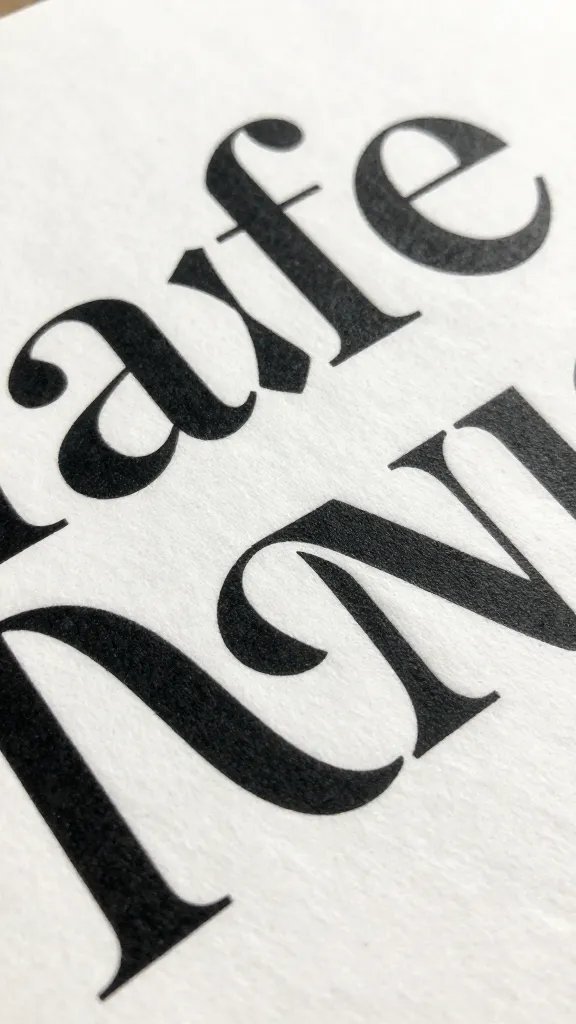
– Visual identity
– Logo usage rules, clear space, danger zones
– Primary, secondary, and alternative logos
– Color palette (primary, secondary, tints, shades) and accessibility notes
– Typography
– Approved fonts, weights, sizes, line heights
– Webfont recommendations and usage rules
– Imagery and graphics
– Photography style, illustration vibe, iconography
– Image treatment, filters, and composition guidelines
– Brand voice and writing
– Tone, word list, do/don’t examples
– Typography and microcopy guidelines for digital experiences
– Layout and templates
– Business cards, letterhead, social templates, PowerPoint or Keynote decks
– Email signatures, UI components, and marketing assets
– Governance and rollout
– How to update the guide, who owns assets, approval processes
– Accessibility guidelines to reach broader audiences
DIY vs. Hiring a pro: How to Decide
Assessing Your Needs
– Do you need a simple set of rules or a full system that governs every touchpoint?
– Are you planning multiple campaigns, products, or regions that require a scalable system?
– Do you have the internal design and copy resources to maintain the guide?
Budget Considerations
– If you’re unsure about long-term usage, start with a lean guide and build out later.
– Consider the total cost of ownership: maintenance, updates, and training, not just the initial delivery.
Timeline and ROI
– DIY can be faster upfront but may lead to inconsistencies down the line.
– A pro-built system can reduce design debt and campaign misfires, saving money over time.
How to Maximize Value Without Burning Money
- Define clear objectives: brand consistency, faster design cycles, or easier cross-team collaboration.
- Start with a Minimal Viable Brand Guide (MVB): core elements + governance rules, then expand.
- Ask for templates and digital assets you’ll actually use: social templates, email headers, slide decks.
- Request accessibility-forward color and type recommendations to reach more people.
- Plan for updates: set a refresh cadence and assign ownership, so the guide stays relevant.
Frequently Asked Questions
How much does a basic brand style guide cost?
Typically between a few hundred to a couple thousand dollars if you’re DIY-ing or hiring a freelance designer. It covers essential elements like color, typography, logo usage, and basic templates.
What adds the most to a brand style guide’s cost?
Depth and governance. A comprehensive system with multiple formats, regional variations, extensive templates, and ongoing support will drive the cost up—especially if you bring in a full-service agency.
Can I use a template and still have a professional look?
Absolutely. Templates are a great starting point; you’ll want to customize them to reflect your unique brand voice and visual identity. Consider this as a foundation you can evolve with time.
Is a brand style guide worth it for small startups?
Yes, if it prevents brand misfires and speeds up marketing efforts. Even a lean guide helps ensure consistency as you scale and hire more people or contractors.
What should I ask for when hiring a designer or agency?
Clarify scope, deliverables, number of rounds of revisions, governance documents, accessibility considerations, and ownership of final files. Also ask for a phased timeline and a post-launch support plan.
Conclusion
Brand style guides aren’t a luxury; they’re a practical investment in clarity, efficiency, and brand equity. Whether you opt for a DIY route or a full-blown brand studio project, the key is to align the guide with real-world usage and governance. Start lean if you must, but plan for growth so your brand remains cohesive across every channel—today, tomorrow, and for years to come. FYI, a well-crafted guide pays for itself through faster design work, fewer errors, and stronger recognition. IMO, the right guide is the quiet hero behind every successful campaign.