Ready to sketch your favorite characters in ways that pop off the page? These ideas turn quiet scenes into loud, joyful storytelling. FYI, you’ll want a notebook handy and your imagination on high alert.
1. Portraits with Dynamic Angles
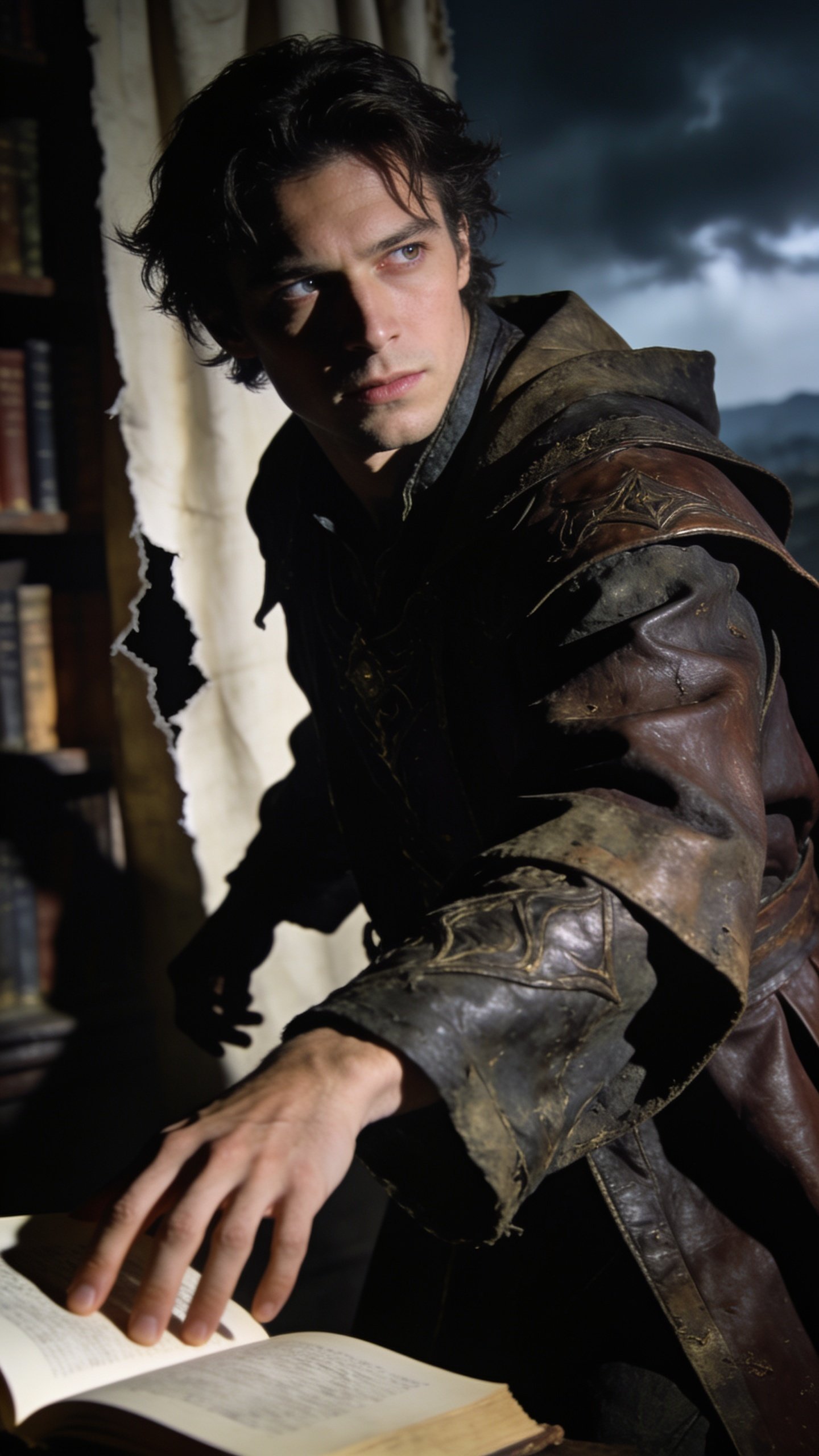
Drop your characters into dramatic compositions that feel like a moment before a turn the page. This approach makes familiar faces feel new and exciting.
Why it works: it adds energy and motion to still images, inviting viewers to imagine what happens next.
Tips
- Use three-quarter views for intrigue
- Play with strong silhouettes to keep focus on your subject
- Experiment with perspective lines that lead the eye
Try it when you want a cover-worthy piece that sparks curiosity and conversation.
2. Wardrobe as Story Clues
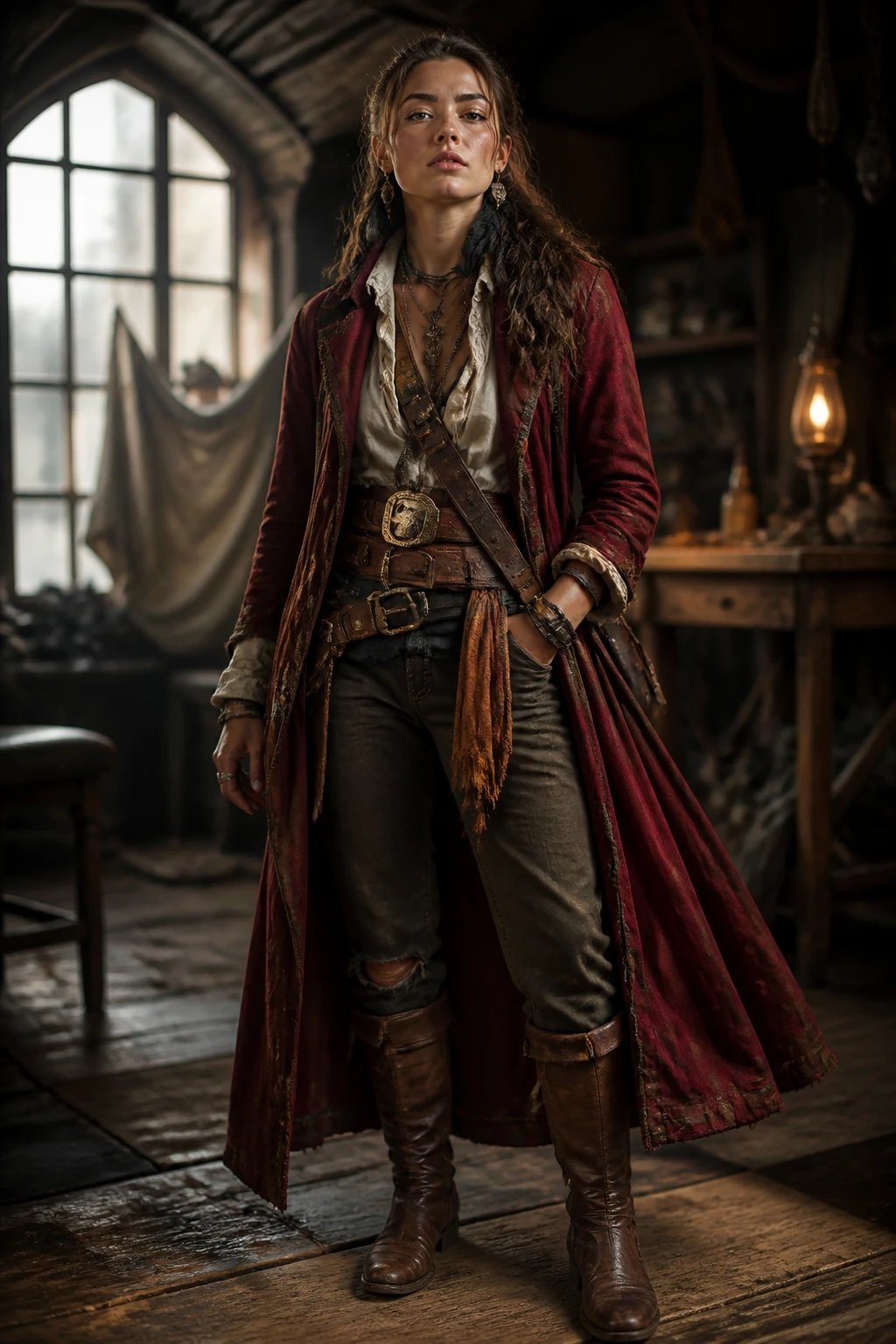
Clothes tell a backstory without a single line of dialogue. Let fabrics, textures, and colors reveal who your character is.
Why it stands out: fashion cues translate personality—bold colors scream confidence; worn leather hints at history.
Key Elements
- Color palettes aligned with mood
- Earrings, belts, and accessories as symbols
- Visible wear and tear to hint at adventures
Use this when you want a character to feel lived-in and relatable.
3. Moment of Triumph or Calm

Capture a split-second emotion: a smile after a victory, or a breath before a decision. These tiny pauses tell huge stories.
Why it resonates: people connect with emotion more than action.
How to Nail It
- Choose a focal expression and build the scene around it
- Soft lighting for tenderness; harsh lighting for drama
- Minimal background to keep emphasis on feeling
This is perfect for characters readers want to root for.
4. Magical Element Integration
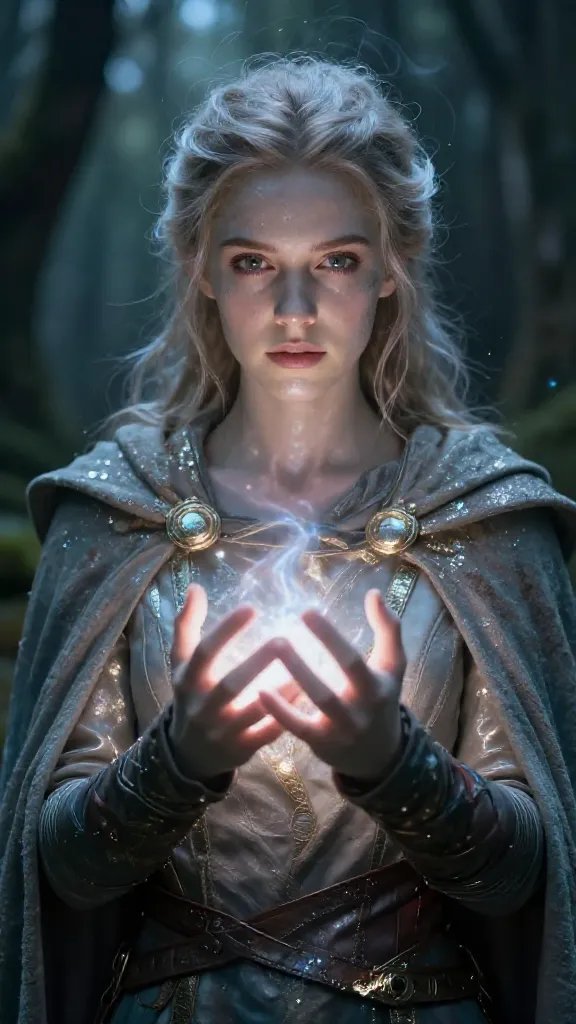
Let a spark of magic glow around a character—glimmering dust, ethereal auras, or teasing shadows that hint at powers.
Why it draws the eye: the unknown creates instant curiosity and wonder.
Materials
- Metallic paints or foil accents
- Soft airbrush for glow effects
- Glitter or iridescent mediums (sparingly)
Use when you want your illustration to feel enchanted or otherworldly.
5. Environment as a Character

Let the setting breathe with personality—an alleyway that echoes a character’s past, or a library that hums with secrets.
Why it shines: landscapes deepen narrative without extra text.
How to Compose
- Place the character off-center to enhance storytelling
- Use lighting to reflect mood (cool blues for mystery, warm amber for comfort)
- Include subtle clues in the background (a torn poster, a familiar plant)
Use this to transform silent scenes into immersive chapters.
6. Silhouette Stories
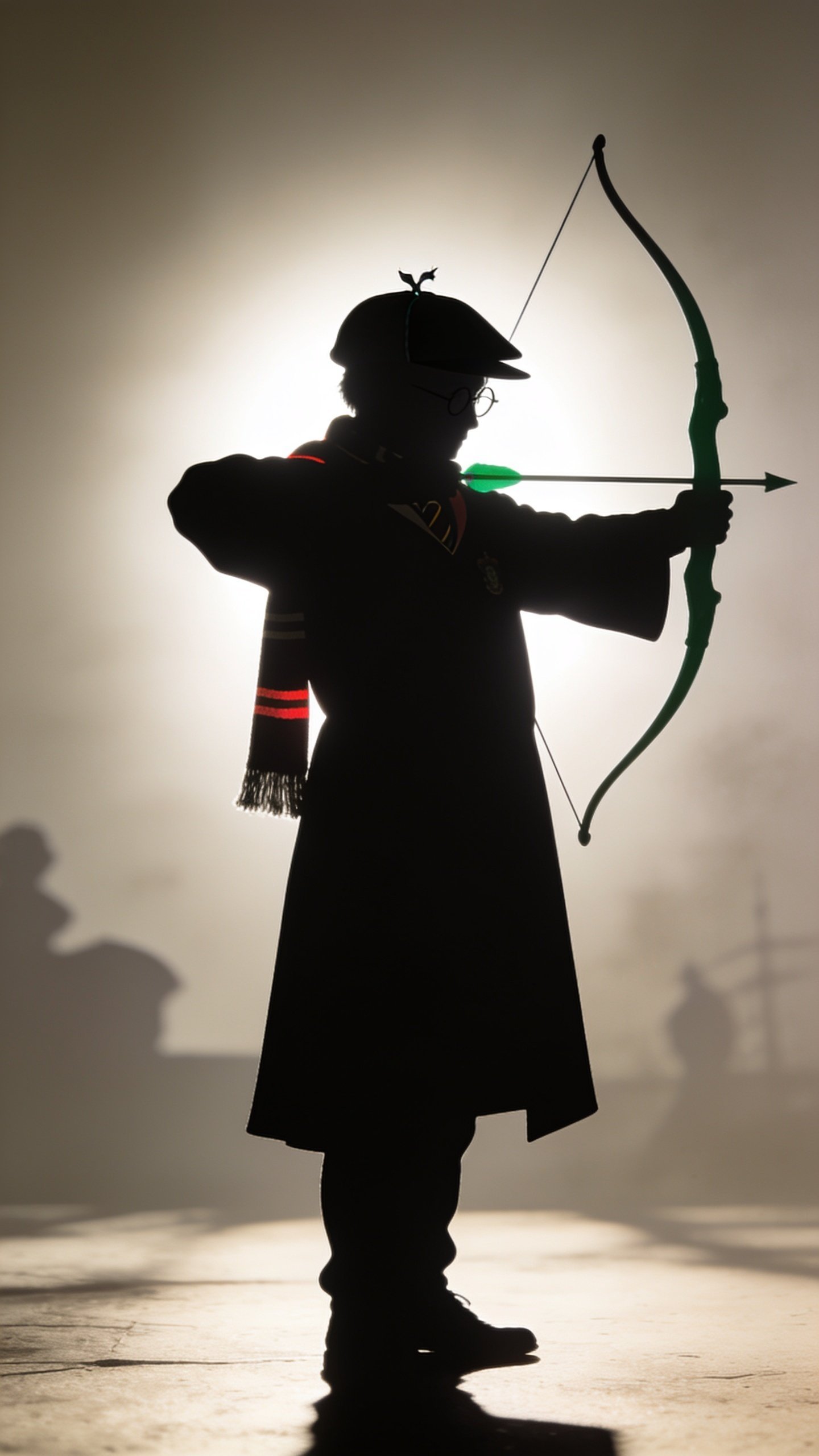
Silhouettes strip away details to highlight shape and gesture. Bold, clean lines can carry a story even in minimal form.
Why it works: simplicity invites imagination and makes a bold statement.
Quick Notes
- Strong backlight creates crisp edges
- Play with negative space to imply context
- Add a single accent color to honor the character’s essence
Great for covers, badges, or icons that need instant recognition.
7. Interaction Scenes

Show two or more characters in a moment of interaction—a debate, a pact, a shared secret. Dialog without words comes alive.
Why it clicks: relationships are what readers care about most.
Structure
- Dynamic poses facing each other
- Props that symbolize their bond
- Contrasting styles to highlight differences
Use when you want to spotlight chemistry, conflict, or camaraderie.
8. Micro-Scenes in a Frame
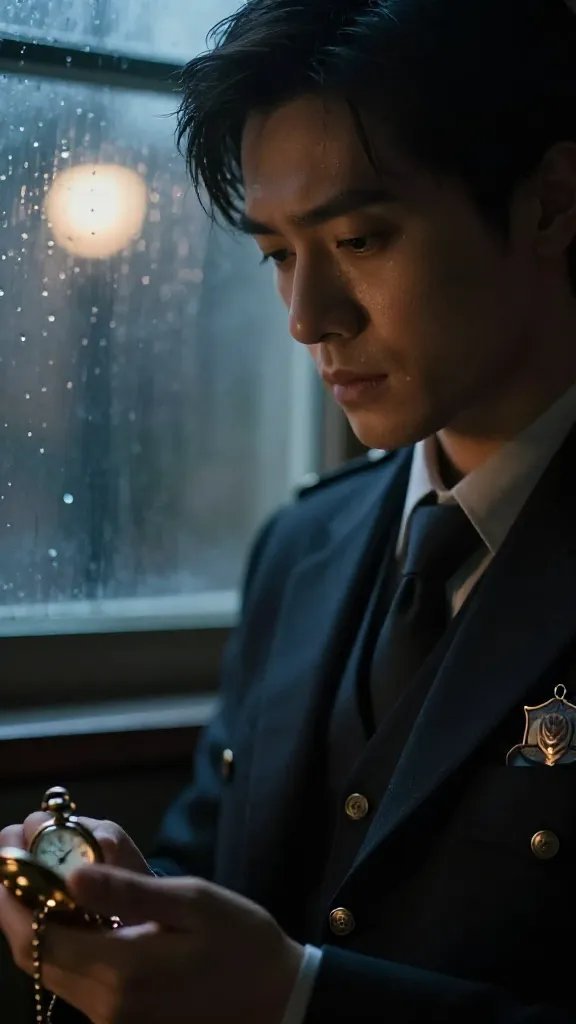
Think of a tiny vignettes within a larger piece—a pocket watch ticking, a rain-soaked window, a badge catching a glint of light.
Why it’s clever: micro-details create a storytelling rhythm, like small chapters in one image.
Suggestions
- Limit the main action to a single moment
- Incorporate a recurring motif across different pieces
- Keep the frame tight for intimate tension
Best used when you want a contemplative, almost cinematic vibe.
9. Color Psychology Playground
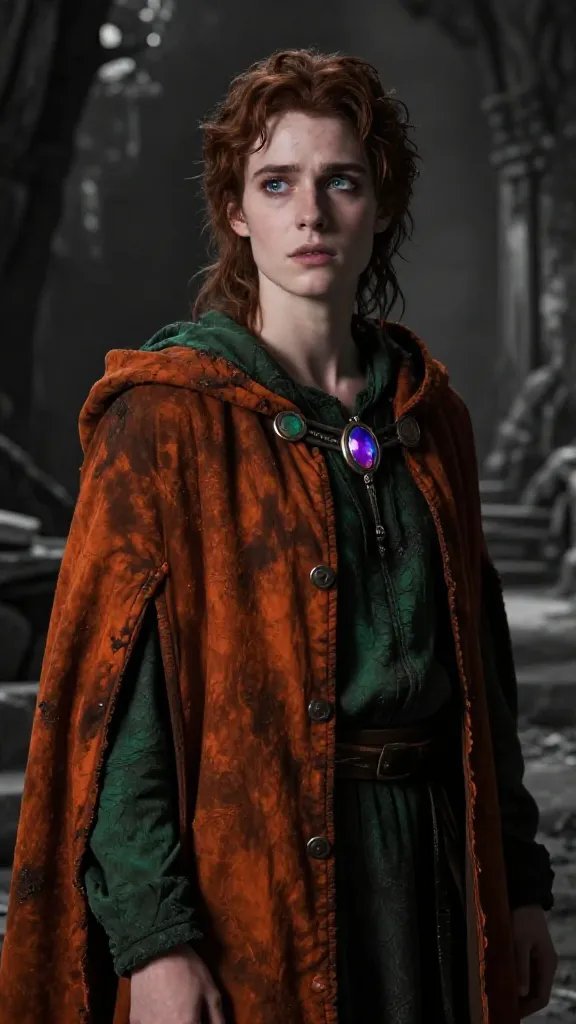
Let color do the heavy lifting. A specific palette can foreshadow plot twists or reveal inner turmoil.
Why it sings: colors evoke emotion before you even read a caption.
Palette Ideas
- Burnt oranges and forest greens for a rustic quest
- Purples and teals for mystery and magic
- Monochrome with one bright accent for noir vibes
Use color to guide the viewer’s emotional journey through the artwork.
10. Comic-Strip Moment
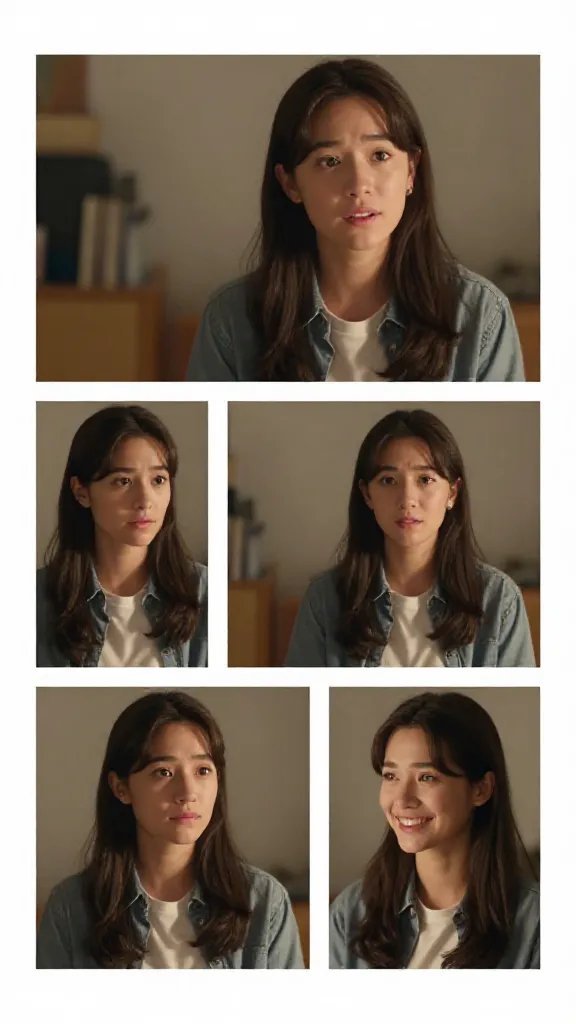
Turn a still into a small, expressive scene with a tiny sequence—three panels that convey a mini story arc.
Why it works: it’s playful and immediately readable, like a teaser for a larger tale.
How to Format
- Panel sizes vary for rhythm
- Speechless or minimal dialogue to keep focus on expression
- Consistent character design for recognizability
Use when you want a charming, approachable piece that invites a smile.
11. Texture-Heavy Study
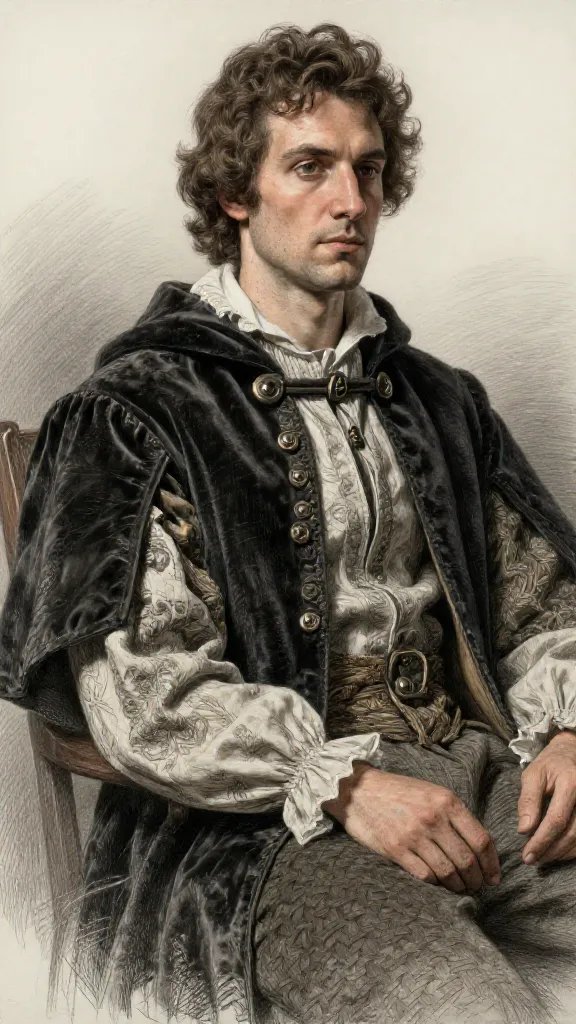
Layer textures—pencil, ink stipple, wash, and fabric patterns—to give depth and tactile flavor. Fans love the sensory detail.
Why it feels premium: textured art reads as crafted and intentional.
Texture Tips
- Mix smooth gradients with rough textures for contrast
- Use cross-hatching to imply volume
- Incorporate fabric textures in clothing and surroundings
Go texture-forward when you want your illustration to feel tangible and lush.
12. Bookish Motifs as Motifs
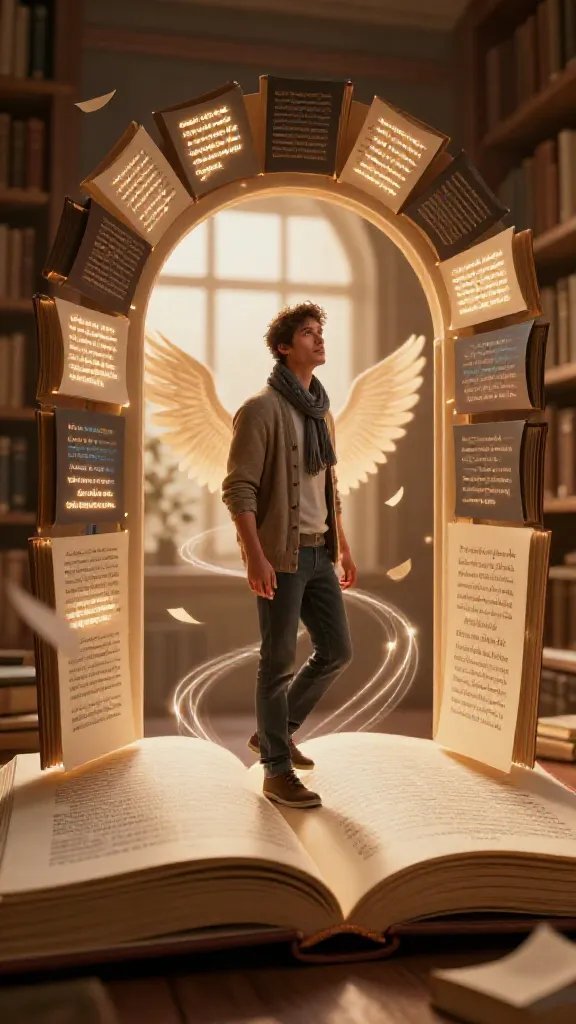
Weave in literal book elements—open pages as wings, a bookmark pathway, or a globe made of book spines. It’s meta and charming.
Why it delights readers: it celebrates the joy of reading itself.
Ideas
- Character stepping through an open page
- Spines forming a decorative arch around the scene
- Quotes illuminated along the margins like neon
Perfect for literary-themed pieces, gifts, or fan art that nods to favorite chapters.
13. Portrait of a Quest

Paint a character not just as they are, but as what they’re chasing—an artifact, a truth, a destiny. Let the underlying goal shape everything you render.
Why it sticks: purpose gives a strong narrative pull that viewers instantly grasp.
How to Emphasize the Quest
- Include a symbolic object in the foreground
- Use lighting that leads toward the implied destination
- Layer hints of obstacles to suggest growth and journey
Use when you want your art to feel driven and cinematic, like a movie poster for a chapter.
Ready to try these ideas? Pick one that sounds exciting, then push a tiny variation next time—you’ll be surprised by how quickly your characters start talking back to you.
Seriously, the moment you start weaving these elements, your illustrations stop feeling static and start feeling alive. Trust me, your future readers will notice.
Now grab a sketchbook, pick a character you adore, and unleash a fresh take on their story. The page is waiting—and so are your fans.